Under the microscope – gestational diabetes screening in Australia
Pregnancy can sometimes feel overwhelming with the numerous screening and blood tests — it's like being a living, breathing pin cushion! With each and every one of these tests, you have a decision to make. Everything is optional, and understanding the potential implications of both accepting and declining is important. This blog post focuses on one such test: screening for gestational diabetes.
 Helping you make informed choices about your pregnancy care one blog post at a time!
What is gestational diabetes?
Gestational diabetes (also called Gestational Diabetes Mellitus, or GDM) is a type of diabetes that develops during pregnancy. It occurs when the body cannot produce enough insulin to handle the increased blood sugar levels caused by pregnancy. Insulin is the hormone that helps cells absorb glucose (sugar) from the blood for energy. When there's not enough insulin, glucose levels in the blood remain high, which can cause health problems for both the mother and the baby.
Gestational diabetes typically begins in the second or third trimester and usually goes away after the baby is born. However, it does increase the risk of developing type 2 diabetes later in life for both the mother and child.
How does gestational diabetes differ from other types of diabetes?
Type 1 diabetes is an autoimmune condition where the body's immune system attacks and destroys the insulin-producing cells in the pancreas. The body can't produce insulin at all. Type 1 diabetes is usually diagnosed in children and young adults and is not related to pregnancy or lifestyle factors.
Type 2 diabetes develops when the body becomes resistant to insulin or when the pancreas cannot produce enough insulin to meet the body's needs. It is often associated with older age, obesity, and physical inactivity, but can occur at any age.
Gestational diabetes is not caused by an autoimmune response, and unlike type 2, it isn't primarily caused by lifestyle or genetic factors, though these can increase risk. It develops during pregnancy and usually resolves after giving birth, directly related to the hormonal changes and increased demands on the body during pregnancy.
Who is offered screening for gestational diabetes?
In Australia, screening for gestational diabetes is typically universal, meaning it is offered to all women and is usually carried out between 24 and 28 weeks of pregnancy. Screening may be offered earlier if you have any of the following risk factors:
- If you have had GDM in a previous pregnancy
- If you have previously given birth to a baby weighing more than 4.5kg
- Family history of diabetes
- Over the age of 40
- A BMI of over 30
- Women from certain ethnic backgrounds, including Aboriginal or Torres Strait Islander, African, Melanesian, Polynesian, South Asian, Chinese, Southeast Asian, Middle Eastern, Hispanic or South American
- If you have PCOS (Polycystic Ovary Syndrome)
Some maternity care providers across Australia may offer a targeted approach to screening, whereby it is only offered to women who have one or more risk factors. If you don't have any risk factors but wish to have the screening, you have the right to request it, just as you have the right to decline it.
Given Australia's dominant blanket approach to GDM screening, it is not surprising that the percentage of women diagnosed with GDM is quite high — and that figure continues to rise. In 2021-2022, 17.9% of women received a positive diagnosis. That's almost one in every five women.
What does the screening process look like?
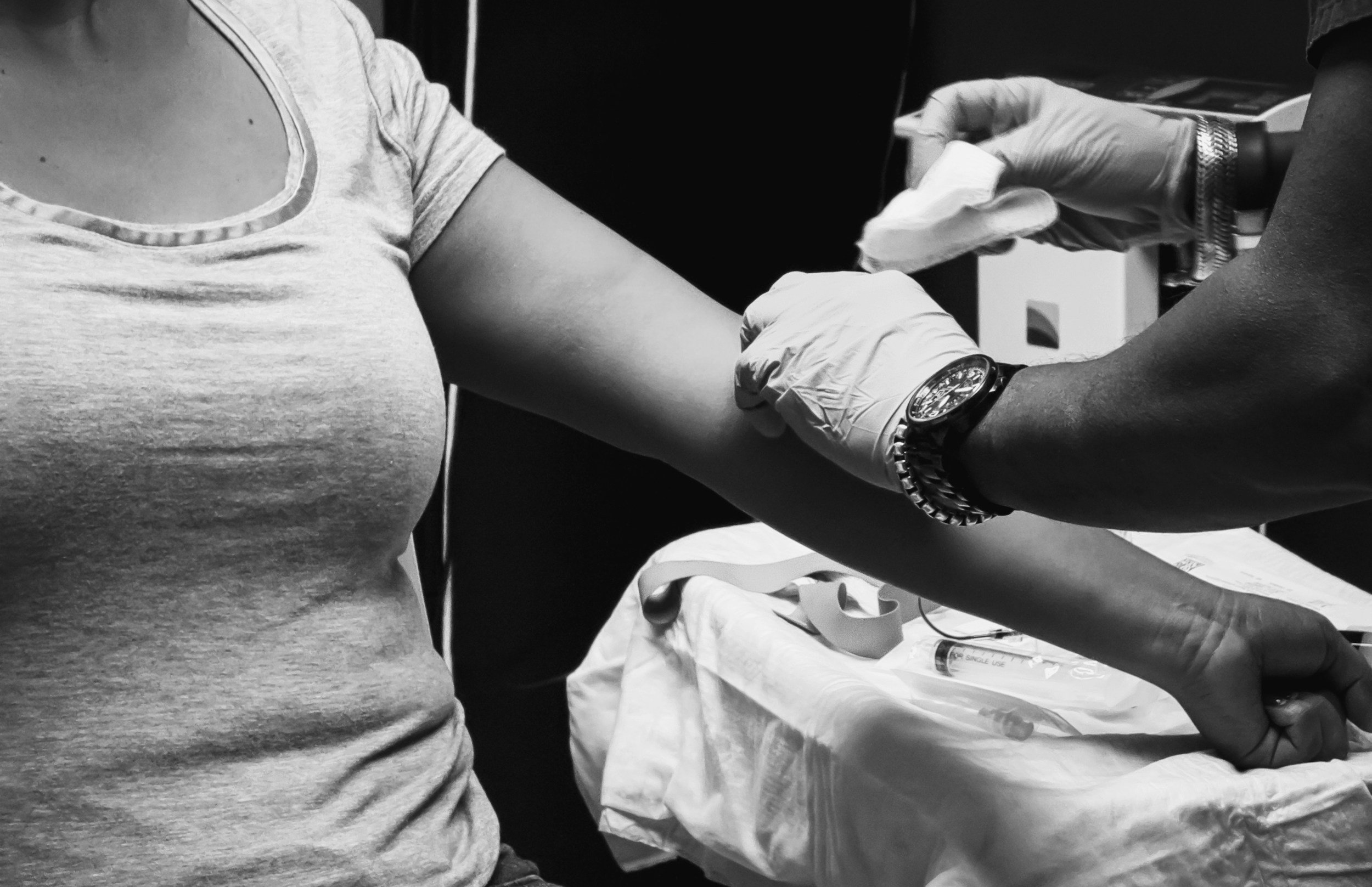 More needles!
Before we get into this, I just want to state that there is no clear consensus on what the best method for GDM screening is, and there has been heated debate about the parameters for what should be considered the "normal range" for blood glucose levels during pregnancy. More on this later.
In Australia, the test used to screen for GDM is called the oral glucose tolerance test (OGTT). To prepare, you'll need to fast overnight — no eating or drinking anything except water for at least 8-12 hours before your appointment. When you arrive, a blood sample will be taken to measure your fasting blood sugar level. You'll then be asked to drink a sweet glucose solution. Your blood will be taken again at specific intervals — typically at one hour and two hours after drinking the solution. You will need to remain at the testing place for the entire time, so take a good book or pack some headphones so you can binge your fave Netflix show!
The blood samples help your care providers to understand how well your body is handling the glucose. If your blood sugar levels are higher than normal at any of these points, it indicates that your body isn't processing glucose effectively, which may mean you have gestational diabetes.
Are there any alternatives to the OGTT?
Concerns have been raised about the ingredients in the glucose solution itself, such as artificial colourings, additives and preservatives. If you are worried about the ingredients, talk to your care provider about alternatives — these could include a different solution to drink, or a sugary snack to eat.
If you prefer to avoid screening methods involving glucose consumption, or if you are looking for less time-consuming options, there are a couple of alternatives. One option is to track your own blood glucose levels over a period of time using a monitor. Another option is to request a HbA1c blood test, which measures the average blood glucose levels over the past 2-3 months. However, there is debate about the most appropriate timing for this test, and some studies advise against this methodology due to biological changes in pregnancy causing falsely low values.
Another alternative is to decline the screening altogether. Dr Michel Odent, a well-respected expert in childbirth, has expressed concerns that we are becoming hyper-focused on searching for potential problems and overemphasising risks. You can read his article on gestational diabetes here.
"Almost everywhere in the world, 'gestational diabetes' is a frequent diagnosis. We should therefore not be surprised by the tendency to assign it the status of a disease. This might appear as a feat, since this diagnosis is not based on any specific symptom, but just on the effects of an intervention (giving glucose) on blood biochemistry." — Michel Odent
What does the evidence say?
There is a lack of clinical evidence to determine which method of screening is the most effective. A Cochrane review looked at studies which used alternative methods such as chocolate bars and sugar-rich foods in place of the glucose solution and were unable to determine which method, if any, is best for GDM diagnosis.
There is also no high-quality clinical evidence to support either universal or target-based screening for GDM, which is why we see such a discrepancy in clinical practice across the country. You can read the relevant Cochrane review here.
There are also problems with the parameters for "normal" blood glucose levels in pregnancy, because there is no agreement as to what these numbers should be. The current figures — which have NOT been universally accepted but have been implemented in Australia — are the result of findings from the HAPO (Hyperglycemia and Adverse Pregnancy Outcome) Study from 2008. These new thresholds are much lower than previous ones, and valid concerns have been raised about potential over-diagnosis of GDM by as much as 50% (see article here).
Despite the high numbers of women being diagnosed with GDM, there is no clinical evidence to show that we are improving outcomes for mothers and babies. So is all this testing actually worth it?
Ultimately it is your choice to make, but be prepared for potential pushback from your care provider if you choose to decline the screening.
I've received a positive GDM diagnosis – how will this be managed?
If you are currently low-risk and only receiving care from a midwife, the typical care pathway involves referrals to an obstetrician, a dietician and perhaps also a diabetes specialist. This can feel very overwhelming as your care team has expanded significantly, so having someone accompany you to your appointments is a great tip as you navigate this new terrain.
Your care team will teach you to monitor your own blood glucose levels at home, including when to do it, how to do it, and what your target range is.
Most women with GDM are able to manage their blood glucose levels effectively through diet and exercise alone. A dietician will provide a personalised healthy eating plan and can recommend gentle physical activities. If after a period of implementing lifestyle changes your blood glucose levels are still high, your care team may recommend medication such as insulin injections or oral tablets.
You may be asked to attend additional antenatal appointments, and your obstetrician will recommend extra ultrasound scans towards the end of your pregnancy to measure and monitor the baby's growth. Whether or not you accept these extra scans is entirely your choice, but it is important to note that estimating a baby's weight using ultrasound has a margin of error of +/- 15% and becomes less accurate as pregnancy progresses. Rachel Reed has written an excellent blog article on big babies, which you can read here.
Will GDM impact my labour and birth?
There are some risk factors associated with having GDM, so your care provider will wish to monitor you closely. Remember — everything is still your choice. Your diagnosis does not have to dictate your birth experience. The concerns are:
- Developing high blood pressure, or pre-eclampsia during pregnancy.
- Growing a "big baby" — the excess glucose crosses the placenta and enters the baby's bloodstream, prompting the baby's pancreas to produce more insulin. Insulin acts as a growth hormone, and the combination of high blood sugar and increased insulin can lead to excessive fat accumulation and growth in the baby, which may result in a larger than average baby. Despite this being the main concern for care providers, a study in 2013 found that only 14-22% of women with GDM will give birth to a baby which weighs more than 4kg.
- Interventions such as instrumental birth or Caesarean.
- Neonatal health problems such as respiratory distress, as high glucose levels can impact lung development, or low blood sugar levels due to the sudden change in glucose levels once the baby is born.
I want to stress that most women who have GDM can have vaginal births. Rachel Reed's blog post has fantastic information on how women with GDM can be supported by their care providers to achieve this. I'll link her article here rather than re-write it.
 Gestational diabetes doesn't have to dictate how your birth will unfold.
Fun fact — in 2023 I had the honour of supporting a family with the birth of their second child, and my client pushed out a 5kg+ baby all by herself! Everyone had an inkling that this little man wasn't going to be so little; the doctors were on standby, remaining out of sight so not to disturb her flow, and the midwives provided amazing support. I believe there were three keys to her success — knowledge; preparation and a support team who trusted in her capabilities.
Attending independent birth education classes can help set you up for success by giving you a solid understanding of birth physiology. If you are in the northern suburbs of Perth, Western Australia, I offer private in-home sessions with a focus on practical birth preparation. Email me for more information.
To sum up…
Accepting screening for gestational diabetes is ultimately a personal choice that requires careful consideration of both the potential benefits and drawbacks. While the screening process can help identify and manage GDM, it also involves time sacrifices and additional stress if diagnosed. A diagnosis of GDM does not necessarily mean a complicated birth. With a supportive care provider and a solid birth support team, many women with GDM go on to have healthy pregnancies and positive birth experiences.
Where can I go for additional information and support?
- Diabetes Australia
- National Diabetes Services Scheme
- Health Direct
- Diabetes WA
- Sara Wickham's blog post on gestational diabetes
- Rachel Reed's blog post on gestational diabetes
- Rachel Reed's blog post on "big babies"
- The Midwives' Cauldron podcast: pregnancy perspective and baby's perspective
- The Great Birth Rebellion podcast episode on GDM screening
- Lily Nichols' book "Real Food for Pregnancy"