The Placenta – Simply Magical
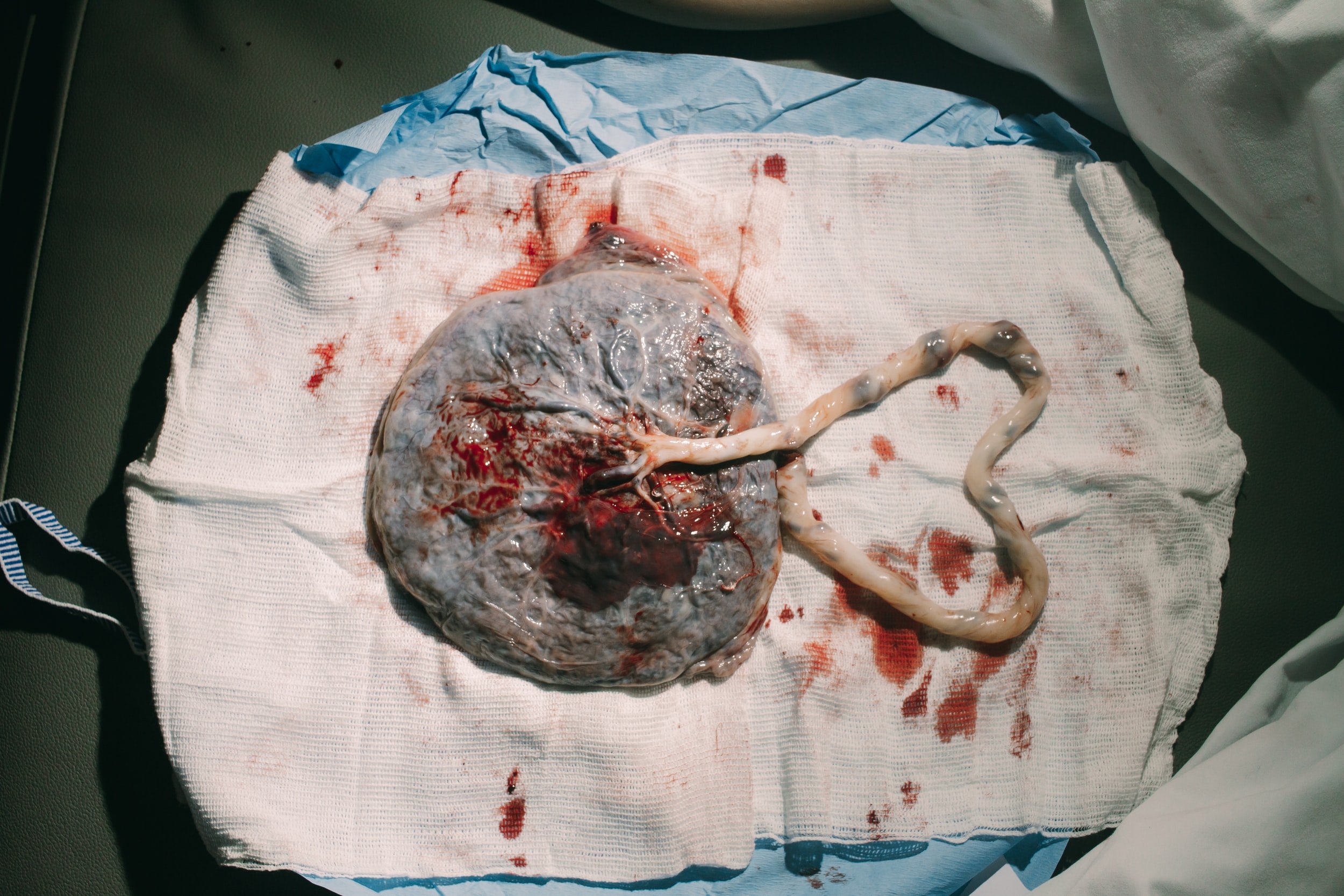 You can see why the placenta is commonly called the "tree of life".
Did you know that the placenta is probably the second most fascinating and amazing thing you can grow, after your baby of course! I highly recommend that after the birth, you take some time to become acquainted with yours — don't be afraid to ask your caregiver to give you the grand tour. Usually the midwife will jump at the chance to show you.
During my research for this post, I discovered that 'placenta' comes from the Greek word 'plakuos', which means "flat cake". I love this visual!
The placenta is actually a transient organ, meaning it will leave your body once its purpose has been fulfilled — the nourishment of your baby while they are inside your uterus. Its life begins alongside that of your baby. Once the embryo has implanted into the wall of the uterus, some of the cells embed deeper into the innermost layer and develop into the placenta. For the first three months, development is gradual; after the fourth month, the placenta grows at the same rate as the uterus, increasing in size to accommodate the growing baby.
The placenta performs many functions that are eventually taken over by other organs — the lungs, kidneys and stomach — once the baby is born. It takes oxygen and nutrients from the mother and delivers them to the developing baby, while also removing waste products which are transferred back to the mother and eliminated through her urine. All of this happens via the umbilical cord, which is made up of two veins and one artery and connects the baby to the placenta at the navel (the future site of the belly button). The blood vessels inside the cord are surrounded by a thick, protective substance called Wharton's Jelly.
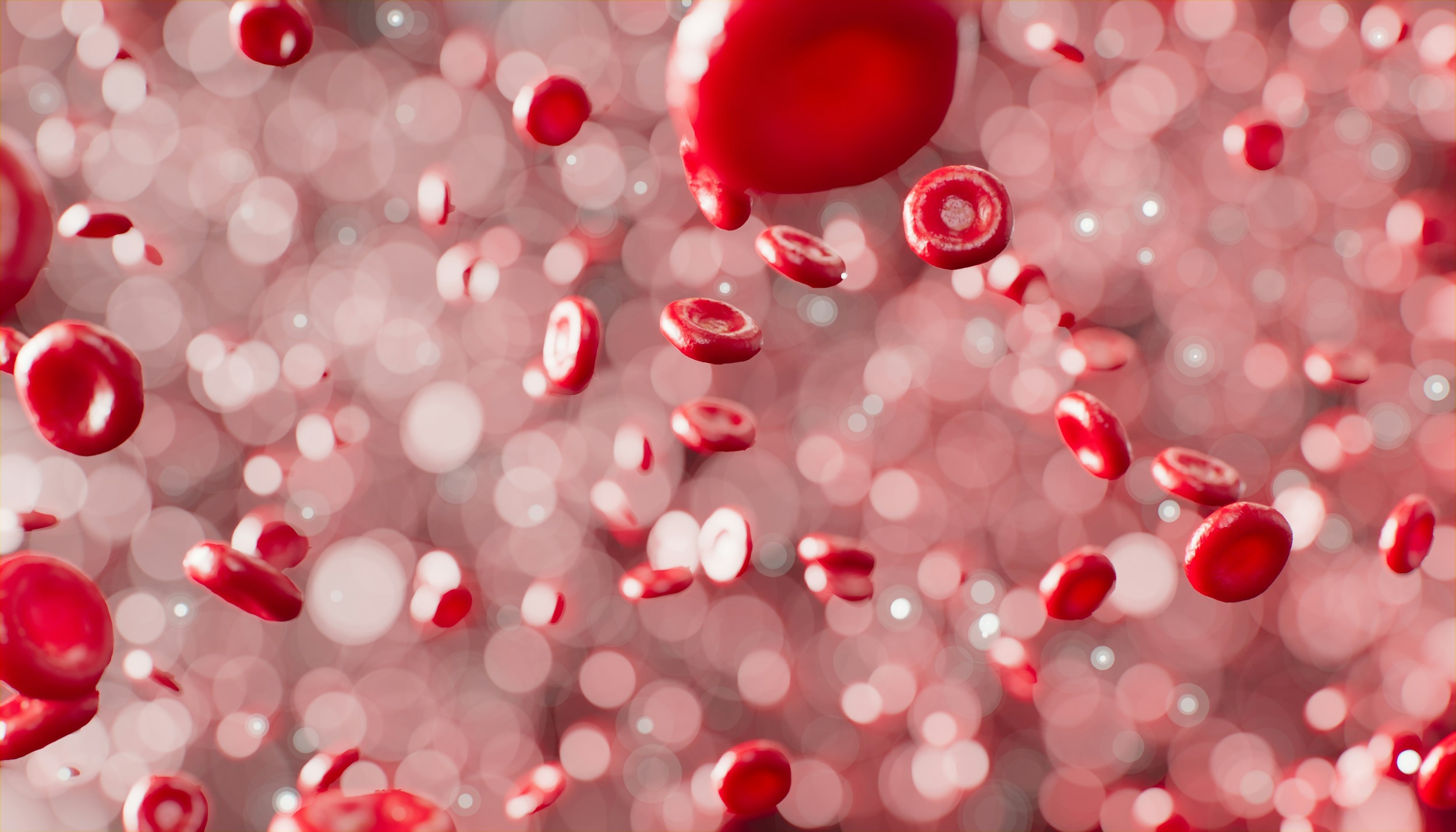
The way this exchange of nutrients happens is genuinely remarkable. There is no physical mixing of the mother's blood and the baby's blood — the two systems are completely separated by extremely thin membranes. Scientists have measured this membrane at as thin as 0.002mm. To put that into perspective, a piece of paper is approximately 50 times thicker.
Going back to the "flat cake" image for a moment: the placenta has two sides, one belonging to the baby and one to the mother. There is a space between the two where blood from the mother's circulation collects. The arteries and vein from the umbilical cord branch off inside the main body of the placenta, creating many tree-like structures that grow through the baby's side and are bathed in this pooled blood. This is where the magic happens.
The exchange of nutrients works through diffusion — molecules like oxygen, glucose and vitamins present in the mother's blood move across the membranes of those tree-like structures into the baby's system, then travel to the developing baby via the umbilical vein. The process works in reverse with the umbilical arteries, which carry deoxygenated blood and waste products from the baby back across those same membranes into the mother's circulation, where they are excreted through her urine.
Once the baby is born, the placenta must follow. If you've had a vaginal birth, you'll also birth the placenta. After a caesarean, it is surgically removed by the obstetrician. The placenta is always examined afterwards to ensure it is whole and that nothing has been left inside — any interesting or unusual features will be shared with you. Your placenta is your property, and many couples are now choosing to take it home with them. Lotus births and placental encapsulation are becoming more common, so it's worth doing some reading on your options.
Cultural significance
Many cultures around the world revere the placenta for its ability to sustain life. During my time working as a student midwife in New Zealand, I was genuinely stunned to learn that it was standard hospital practice to give every woman her placenta to take home. In western culture, it is usually treated as nothing more than clinical waste.
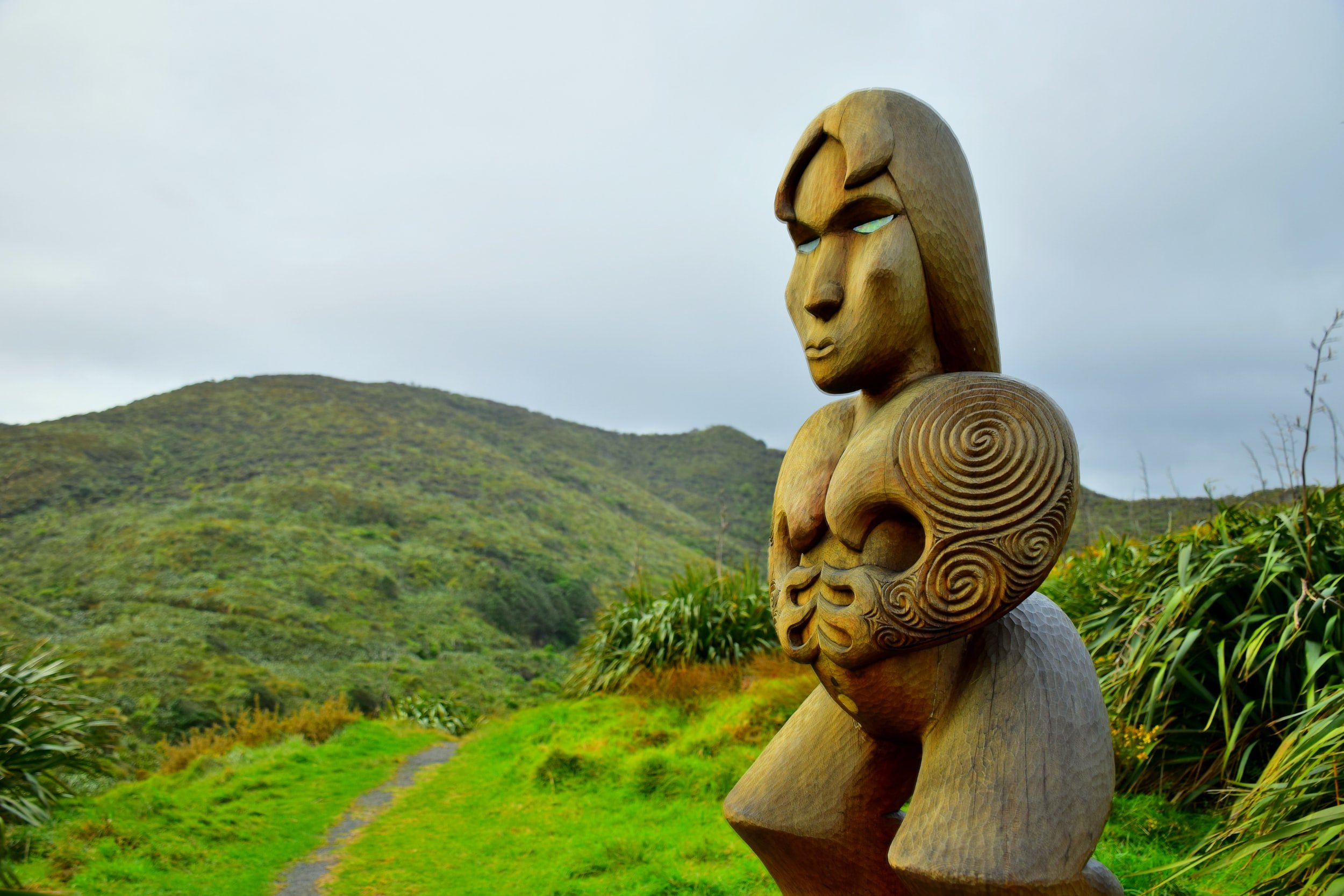
In Maori culture, the word for placenta is the same word used for land — "whenua". The placenta is buried and returned to the land in a place of ancestral significance for the family. In Madagascar, the placenta is considered holy; it is buried close to the entrance of the family home so that all who enter connect with that sacredness. In some Israeli Muslim communities, the placenta is treated with salt before being hung above the doorway to ward off the demoness Qarinah — again reflecting deep religious significance.
What are your placenta plans?
Sources and further reading
- PMC4305167 — placenta physiology review
- UNSW Embryology — Placenta Development
- NBK551634 — placental anatomy
- Whenua to Whenua — Homebirth Aotearoa
- Secrets of Childbirth: Ancient Knowledge in a Modern World by Tsippy Monat