Birthing options in the Perth metro area: what is right for you?
The maternity care system in Australia can be a tricky one to navigate and as a result, women are often unaware of the different options available to them for birth. YES we have options! Culturally we tend to associate childbirth with hospitals, but there are other choices out there!
Prior to booking in with a maternity care provider, it is important to think about what type of birth you would like. Are you considering a home birth? Are you planning a natural, drug-free birth? Would you like the option of pain relief? Do you want a midwife or a doctor to attend the birth? Would you prefer the option of having an elective Caesarean? You may even be considering a free-birth. Depending on your answers, you can then look for a care provider who will meet your needs. I have provided a summary of birthing options for the Perth metro area, along with some points to consider for each.
Remember — this is YOUR pregnancy, YOUR birth, and YOUR choice. You need to find a care provider who will support your preferences for birth. Trust your instincts — if something doesn't feel right then it isn't. You have every right to change care providers at any point during your pregnancy journey, even when you are in labour!
Your birthing options — a quick summary
Where you can birth your baby in the Perth metro area:
- At home, either with CMP midwives, a private/independent midwife, or by yourself supported by whoever you wish (free-birth).
- At a birth centre — there are 2 in Perth; one in Subiaco alongside King Edward Memorial Hospital and one in Fiona Stanley Hospital in Murdoch. Each have their own catchment areas.
- At a public hospital — there are 9 in the Perth metro area with maternity services. Where you live will determine which public hospital you can book with.
- At a private hospital — there are 4 in the Perth metro area with maternity services. Peel Health Campus in Mandurah also has a private maternity ward. There are no geographical restrictions.
- Wherever you like if you are looking into free-birth — some women choose to birth at home, in their garden or in the ocean, usually in a place with which they feel a deep connection.
Free-birth
Free-birth is still a rather controversial birthing option in Australia, and there is a common misconception that it is actually illegal. This is not the case at all, and I also feel it is necessary to state that maternity care in general is not mandatory either. I read somewhere on social media that up until the medicalisation of birth, free-birth was simply… birth! That really prompted me to reflect on my own perspective.
Free-birth is essentially giving birth to your baby without the assistance or presence of a trained healthcare professional (such as a midwife or obstetrician), instead supported by whoever you choose. Some women choose to have a doula present for their free-birth, although it is important to remember that doulas are not a midwife-substitute and cannot assist you with the birth. Some doulas do not feel confident taking on clients who are planning to free-birth so if you are considering hiring a doula, this may be the first question you ask them.
Free-birth is becoming more popular in Australia, especially following the Covid-19 pandemic which pushed many women to research alternatives to birthing in hospitals. I am surprised that the number of women who choose to free-birth isn't higher given that many women are "risked out" of accessing the services of the CMP and birth centres. However, with birth being portrayed as dangerous and unsafe, and those who choose to free-birth pigeon-holed and vilified by the media, it isn't a shock to see that many women are funnelled into the hospital system as a result.
+ Freebirth gives you complete autonomy, freedom, and control over your birth experience.
– Given its controversy, you are likely to encounter some very unpopular opinions regarding your choice.
Community Midwifery Programme
Clinic Locations: Lakeside Shopping Centre, Joondalup / King Edward Memorial Hospital, Subiaco / Kalamunda District Hospital, Kalamunda / Lanao Way, Atwell
Birthing Locations: In your own home / Family Birth Centre, Subiaco / King Edward Memorial Hospital, Subiaco (through the Risk Model or VBAC Model) / Kalamunda Birthing Rooms, Kalamunda
The Community Midwifery Programme (CMP) supports women with low-risk pregnancies within a 50km radius of Perth CBD. Upon being accepted into the programme, you will be allocated a primary midwife who will conduct your antenatal appointments wherever possible — either at one of the CMP clinics, in your home or at the hospital. Your birth will be attended by the midwives on-call. It may not be your allocated midwife, but the midwifery teams are relatively small, so you are likely to have met them during your pregnancy care. The midwives will then visit you at home for your postnatal care.
The CMP also offers a risk model of care for women with certain "high risk" pregnancies, for example if you have had a previous Caesarean, although you have to birth at KEMH. Inclusion criteria can be found on the KEMH website.
+ The evidence shows that midwifery-led care leads to better outcomes for mother and baby.
– The CMP has very strict criteria for eligibility, meaning that these services are not accessible for all women.
Birth centres
- Family Birth Centre, King Edward Memorial Hospital, Subiaco
- Family Birth Centre, Fiona Stanley Hospital
- Midwifery Birth Centre, Bentley — scheduled for completion in mid-2024
There are two birth centres in the Perth metro region (with one more on the way), staffed solely by midwives, supporting normal birth for "low risk" women. Both have catchment areas, so access will depend on which suburb you live in. Places are also limited — there are 3 birth suites at Fiona Stanley and 4 at Subiaco.
You can book to just have your baby at the birth centres, or you can also apply to have your antenatal care here too. Both offer continuity of care through a Midwifery Group Practice (MGP) service. After being accepted into the programme, you will be allocated a primary midwife and all your antenatal appointments will be done at the birth centre with your primary midwife wherever possible.
+ The facilities tend to be more homely and inviting than the hospitals, with less medical equipment.
– Many women are excluded because their pregnancy has been deemed "high risk".
GP Shared-Care
If you have a great relationship with your GP and they offer shared maternity care (not all GPs do), this may be a convenient option for your antenatal and postnatal care. Most of your antenatal appointments will be with your GP and they will submit a referral to the hospital whose catchment area you fall into for the birth. You may be required to attend the hospital for a booking appointment around 24 weeks and from 36 weeks onwards, all your remaining antenatal checks will be at the hospital. The GP will then see you around 6-8 weeks after the birth for your postnatal check-up.
+ Your pregnancy and postnatal care will be provided by a practitioner with whom you already have a good relationship.
– In my experience, unless it is a specialty of theirs, GPs are not as knowledgeable about pregnancy and birth as midwives.
Privately practising midwives
Vicki Hobbs from Back to Basics Birthing has written an excellent post which includes a list of private midwives who practice in the Perth metro region.
Private or independent midwives have much more autonomy with their practice as they are not employed by an organisation and are therefore not restricted by rigid policies or guidelines. This is a great option if you are planning a home birth and are unable to access the CMP or have been excluded from booking with the birth centres. Engaging the services of a private midwife means you will have continuity of care for your entire journey, from pregnancy right through to your postpartum period. They work with back-up midwives, who cover them in the event of sickness or holidays and will attend your birth alongside your primary midwife. All appointments will either take place in the comfort of your own home, or at their place of business.
As well as facilitating home births, most private midwives also have admitting rights to King Edward Memorial Hospital and Fiona Stanley Hospital. This means that if you choose to birth in hospital, or a transfer is recommended during your home birth, your private midwife can still care for you on admission.
+ Private midwives enable women who have been deemed "high risk" by other organisations to birth at home and receive midwife-led care, which has been linked to better outcomes for mother and baby.
– This does come at a cost — usually between $4000–$10000, though you may be eligible for partial Medicare rebates. Weigh the financial investment against the long-term benefits of receiving continuity of care from a midwife you trust.
Doulas
Find a doula in your area:
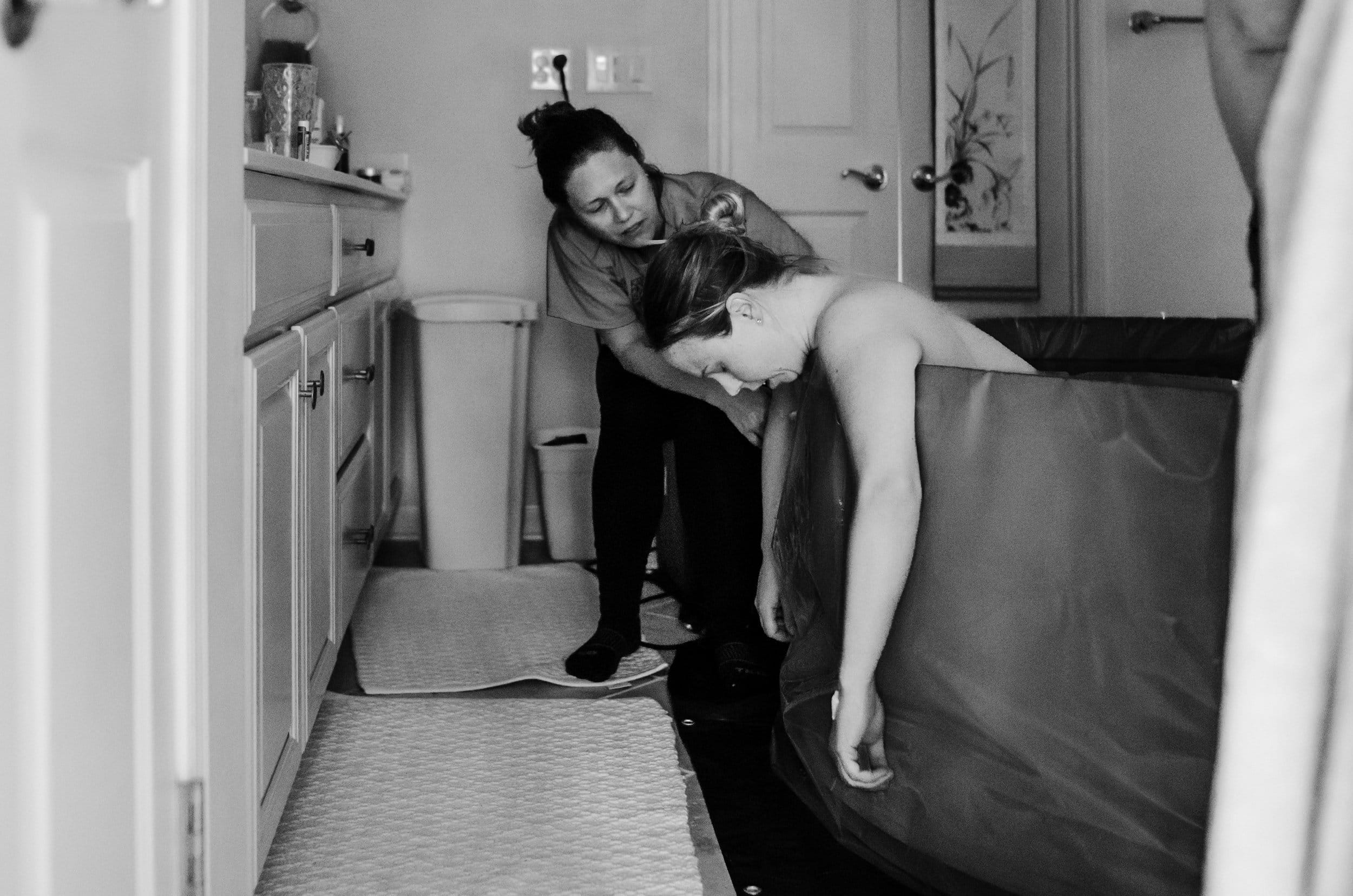 Doulas provide you with continuity of care during pregnancy, birth and beyond so you feel truly supported.
DONA International defines a doula as "a trained professional who provides continuous physical, emotional and informational support to a mother before, during and shortly after childbirth to help her achieve the healthiest, most satisfying experience possible".
Doulas are non-clinical professionals and their services do not replace maternity care from a registered healthcare professional. Doulas are unable to carry out any clinical assessments of mother or baby, cannot prescribe medication and cannot provide medical advice. Doulas support women during labour and birth at home, in hospitals and birth centres, and some doulas attend free-births also. Most doulas also offer extensive postpartum support options — an area in which our current maternity system is woefully lacking. A recent Cochrane review demonstrates that women who hire doulas for labour and birth support are less likely to have a Caesarean; less inclined to ask for medical pain relief; likely to have a shorter labour and more likely to be satisfied with their overall birth experience.
+ Doulas are employed by YOU. They remain completely objective and will support you regardless of the birth journey you choose.
– Doulas charge a fee for their services, ranging from around $1000–$5000 depending on the level of support you require. There are no Medicare or private health rebates for doula services. If cost is holding you back, it may be worth looking into student doulas as they often charge lower fees in exchange for the experience.
Public hospitals
If you choose to birth in a public hospital, your GP will refer you to the one which falls within your geographical area. If your pregnancy is straightforward, your antenatal appointments will be with a midwife. If there are any complications, these will be discussed with you and you will be referred to an obstetrician for review. During your labour, most of your care will be provided by midwives. Midwives are experts in normal pregnancy and birth and if everything is progressing well, you will remain under midwife-led care until you are ready to go home.
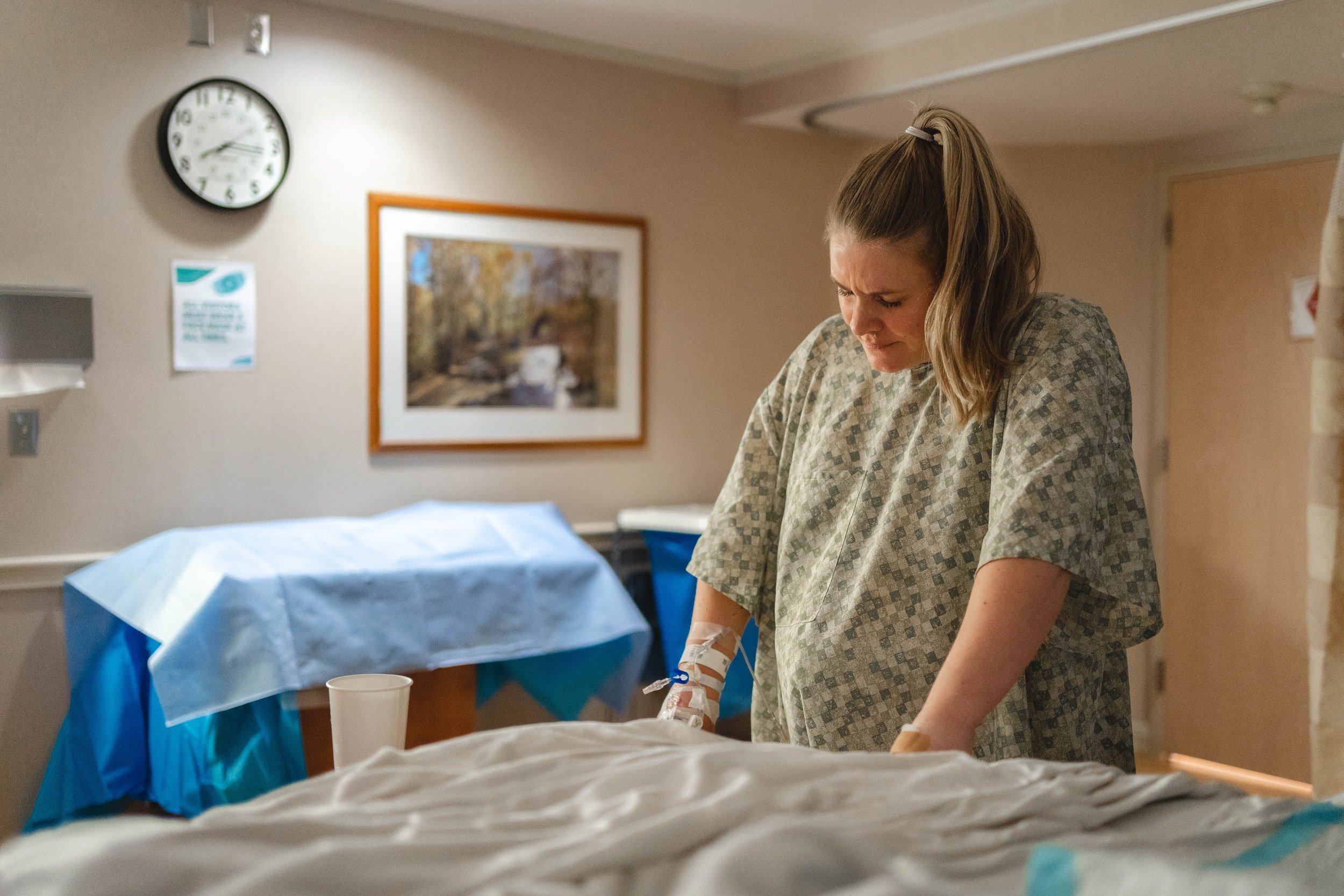 Public hospitals in the Perth metro area (north to south):
- Joondalup Health Campus, Joondalup
- Osborne Park Hospital, Stirling
- St John of God Public Hospital, Midland
- King Edward Memorial Hospital, Subiaco
- Fiona Stanley Hospital, Murdoch
- Armadale Health Services, Mount Nasura
- Rockingham General Hospital, Rockingham
- Peel Health Campus, Mandurah
+ Being in a hospital can provide feelings of safety and reassurance, knowing that help is there if needed.
– Hospitals have guidelines and policies in place which inform midwives' and doctors' practice. It is important to remember that these are not law, and you cannot be forced to follow recommendations. However, being in a hospital environment can make advocating for your choices difficult, especially if they contradict medical advice.
Private hospitals
If you choose to birth in a private hospital, you can choose which one regardless of where you live. A referral from your GP is usually required. You can either choose your hospital and then the GP will refer you to one of the obstetricians, or you can choose your preferred obstetrician and the GP will refer you directly to them. Please keep in mind that your chosen obstetrician is subject to availability, so it is a good idea to research a few options just in case your first choice is fully booked.
Check with your private health insurance provider what aspects of pregnancy and birth your policy covers. It is possible to birth in a private hospital without insurance, but be aware that the financial costs will be significant. Private obstetricians require a pregnancy management fee which can range from $3000–$5000. Any complications will likely increase your costs.
Your antenatal appointments will be with your chosen obstetrician, usually at their private consulting room. During labour, you will be cared for by the hospital midwives and your obstetrician (if available) will be called in for the birth. Women who give birth in private hospitals normally have a longer stay during the postnatal period, ranging from 3-5 days.
 Private hospitals in the Perth metro area (north to south):
- Joondalup Private Hospital, Joondalup
- St John of God, Mount Lawley
- St John of God, Subiaco
- St John of God, Murdoch
- Peel Health Campus Private Maternity Ward, Mandurah
+ The general facilities and services are likely to be more "luxurious" compared to public hospitals and include the option for your partner to remain with you for the duration of your stay.
– Obstetricians are experts in managing complications and rarely witness normal physiological birth. The likelihood of experiencing medical interventions such as induction of labour and instrumental births is very high in a private hospital setting.
To sum up…
Did you realise just how many maternity care options are available in the Perth metro area? There is a lot of information here to digest, but choosing the right maternity care provider is an important decision. Ultimately, the pathway of care you choose will influence your birth experience.
My name is Mel Howells and I am a doula who has trained with the Doula Training Academy. Every pregnancy and birth are different, and no two women will experience the same journey to motherhood. My philosophy acknowledges every woman's uniqueness and my work is tailored to meet your every need. If this resonates with you and you want to learn more, please send me an email at mel@serenebirths.com.au. I would be honoured to walk alongside you on your birth journey.
Sources and further reading
- Your maternity care options — healthywa.wa.gov.au
- King Edward Memorial Hospital — Community Midwifery Program
- Midwife-led continuity models versus other models of care for childbearing women — Cochrane Library
- Continuous support for women during childbirth — PubMed
- Evidence on: Doulas — evidencebasedbirth.com
 This is your birth — choose what feels right for YOU!